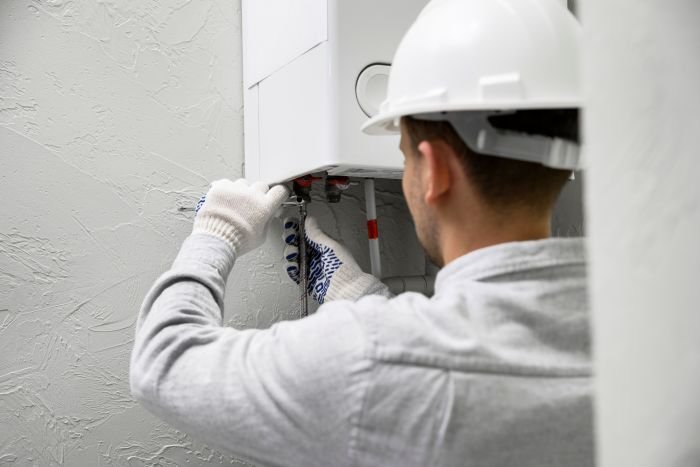
For many homeowners, the decision to replace a hot water heater is often postponed until it becomes an urgent necessity. However, delaying this replacement can lead to a host of complications that affect comfort, safety, and finances. This article delves into the critical signs that indicate a Hot Water Heater Replacement is needed and the consequences of ignoring these warnings. We will also explore the financial implications of postponing this important home maintenance task and highlight the benefits of acting promptly.
Signs Your Hot Water Heater Needs Replacement
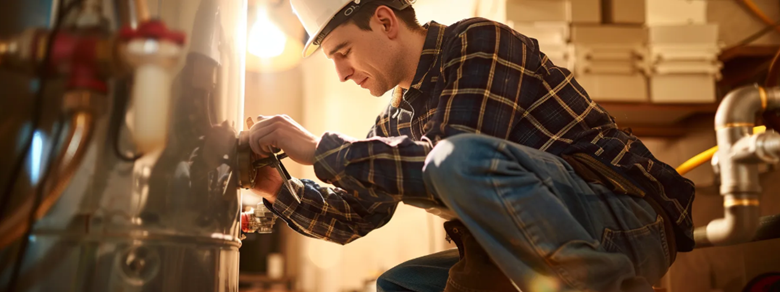
Identifying the signs of a failing hot water heater can save you from unexpected breakdowns and costly repairs. One of the most common indicators is inconsistent water temperature. If your water heater struggles to maintain a stable temperature, it might be time to consider a replacement. Additionally, unusual noises such as rumbling or banging can signal sediment buildup, which can lead to efficiency loss. A Home Energy Audit can help identify inefficiencies in your system and suggest timely replacement to prevent further issues. Furthermore, if you notice rusty water, it may indicate an internal tank corrosion, a clear sign that the heater’s lifespan is nearing its end.
Consequences of Delaying Hot Water Heater Replacement
Delaying the replacement of a faulty hot water heater can result in significant consequences for homeowners. First and foremost, it compromises the comfort of your home. A malfunctioning heater can disrupt daily routines, such as bathing and cleaning, leading to frustration. Moreover, there is a risk of water damage from potential leaks, which can affect walls, floors, and even the foundation of your home. Such damage often requires extensive renovations, following DIY Renovation Guidelines, adding to the stress and cost. Additionally, a malfunctioning water heater can impact the indoor air quality, as dampness encourages mold growth, necessitating Indoor Air Quality Testing to ensure a healthy living environment.
Cost Implications of Postponing Replacement
Postponing the replacement of a hot water heater can lead to increased costs over time. A significant factor is the rise in energy bills. Older or faulty water heaters require more energy to function efficiently, which can lead to a noticeable increase in monthly utility expenses. Moreover, frequent repairs to a deteriorating unit can add up quickly, making it a less economical choice compared to investing in a new system. According to recent findings, the average repair cost can reach up to 50% of a new unit’s price (Source: Home Advisor, 2023). Thus, timely Hot Water Heater Replacement can prevent these accumulative costs, offering a more sustainable financial approach.
Benefits of Timely Hot Water Heater Replacement
Replacing your hot water heater promptly offers numerous benefits that enhance your home’s value and efficiency. A new water heater provides consistent and reliable hot water, ensuring comfort and convenience for the entire family. Additionally, modern water heaters often incorporate energy-efficient technology, which can significantly reduce energy consumption and lower utility bills. For those looking to integrate technology into their homes, a Smart Home Integration Specialist can assist in selecting systems that seamlessly connect with other smart devices Jadoo Toons. Furthermore, new units come with updated safety features, offering peace of mind and reducing the risk of accidents. This proactive approach not only maintains household safety but also aligns with Universal Design Principles, promoting ease of use for all family members.
Conclusion
Timely replacement of a hot water heater is a crucial decision that impacts comfort, safety, and financial well-being in the home. Recognizing the signs of a failing system and understanding the consequences of delay can motivate homeowners to act promptly. By replacing your hot water heater before it fails, you can enjoy the benefits of energy efficiency, reduced costs, and enhanced safety. For homeowners, ensuring a reliable hot water supply contributes significantly to maintaining a harmonious and well-functioning household.